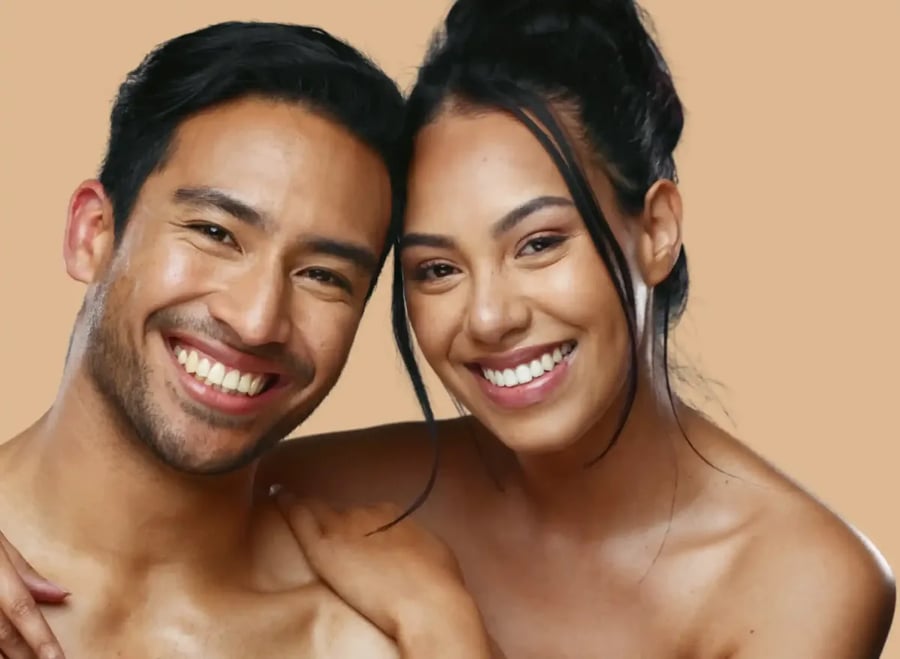


AI Skin Analysis
Your skin, decoded.
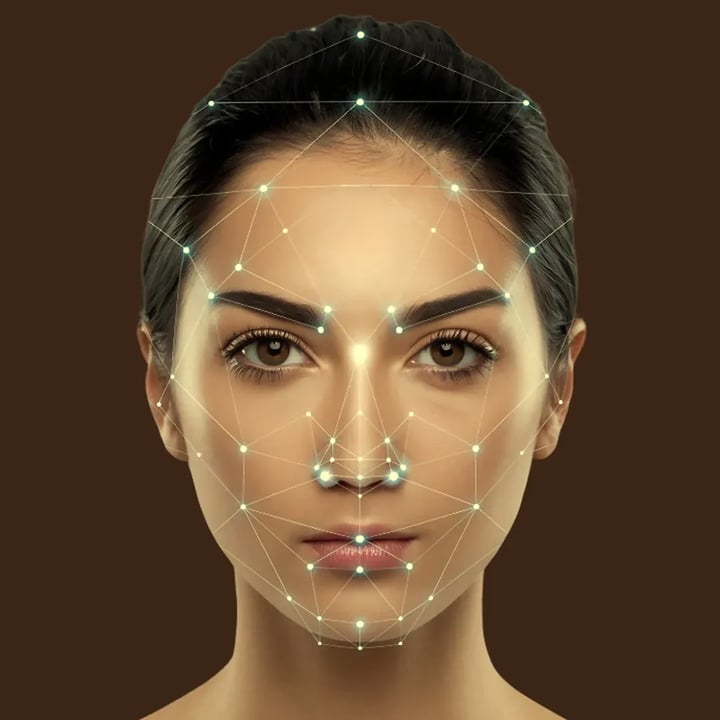
Every consultation at Uncover begins with an AI skin analysis that maps your unique profile — pigmentation, pores, texture, hydration, pollution damage — before your dermatologist builds a plan based on real data, not guesswork.
- Pigmentation mapped per zone
- Pores & texture baselined
- Hydration index per area
- Pollution damage scored
India's most trusted dermatologist-led clinic for skin, hair & body
UNCOVER is a chain of board-certified dermatologist-led clinics in Delhi NCR and beyond. Every treatment is diagnosed, planned and supervised by a doctor — never a technician. We combine US-FDA approved technology, transparent pricing, and a personalised protocol for every patient so your results are safe, proven, and backed by science.
About Us →

Why UNCOVER is different from every other skin clinic in India

US-FDA approved technology
Every laser, device, and protocol is US-FDA approved and specifically calibrated for Indian skin tones (Fitzpatrick III–VI) — so results are safe for darker skin.

Dermatologist-supervised sessions
Every consultation and every procedure is led by a board-certified dermatologist from AIIMS, PGIMER and other top institutions — never a technician.

Root-cause diagnosis
We diagnose the underlying cause — hormonal, bacterial, inflammatory, nutritional — instead of just treating symptoms. That's why results last.

Transparent pricing
No upselling, no hidden costs. You see the full per-session and package price upfront, with zero-cost EMI options for longer protocols.
Recognition
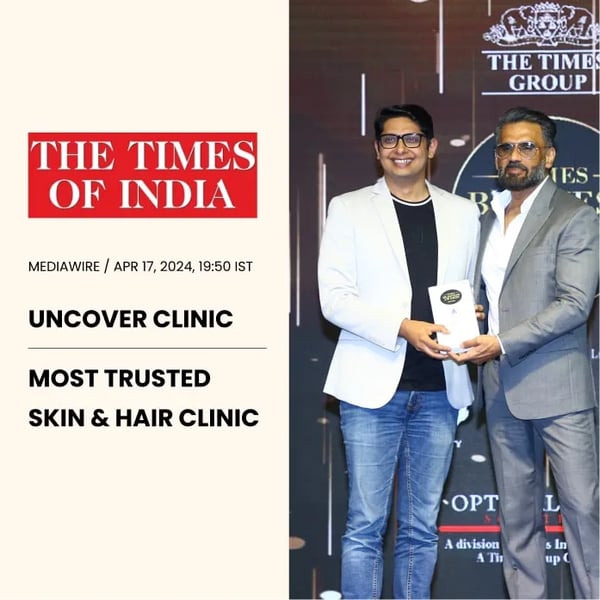
Recognised as India's Most Trusted Skin & Hair Clinic
by Times Business Awards, ET, and Medgate Today
Delivering dermatologist-led care, advanced technologies, and consistent results across every patient journey.
- Times Business Awards

- ET Business Awards

- MT India Awards

India's Finest Dermatologists at UNCOVER Wellness
Our board-certified dermatologists bring years of experience from India's top medical institutions. Every treatment is designed, supervised, and delivered by expert physicians committed to your well-being.
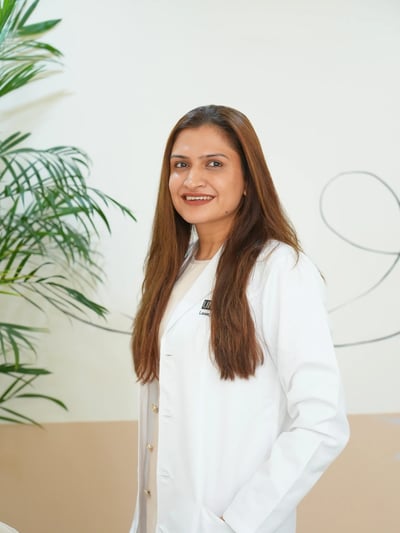
Dr. Isha Narang
Senior Consultant Dermatologist & Hair Transplant Surgeon
14+ years experience
Accomplished Consultant Dermatologist with extensive international experience in general and pediatric dermatology.
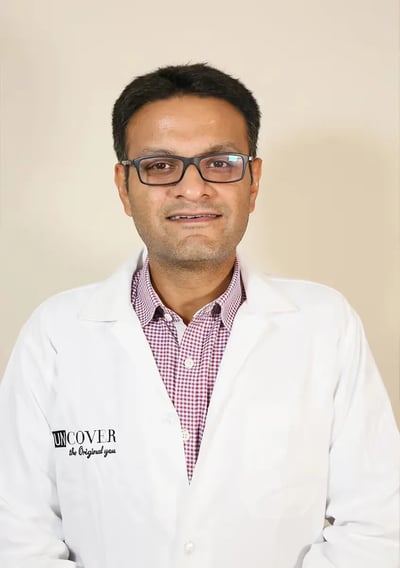
Dr. Naren Prakash
MBBS, MD - Dermatology - 15+ Years Exp
15+ years experience
Expert in advanced acne care, skin rejuvenation, and hair transplants
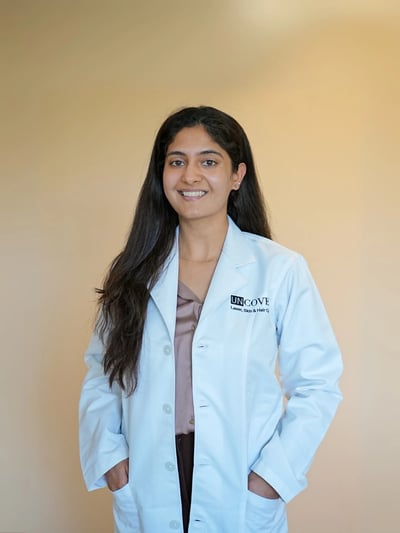
Dr. Akriti Gakhar
MBBS, MD & DNB - Dermatology - 7+ Years Exp
7+ years experience
Experienced dermatologist specializing in clinical and aesthetic treatments, including lasers, injectables, and skin rejuvenation.
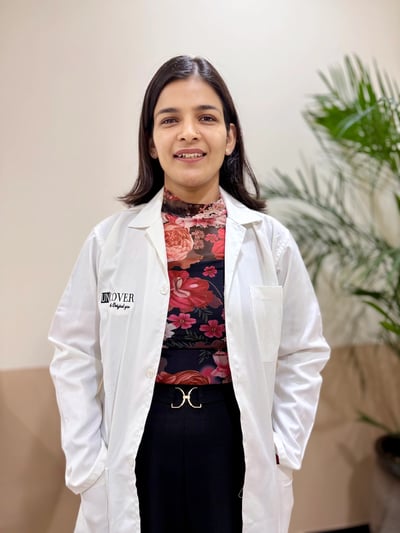
Dr. Jagriti Gandhi
MBBS, MD - Dermatology - 7+ Years Exp
7+ years experience
Expert dermatologist specializing in aesthetic treatments and clinical dermatology
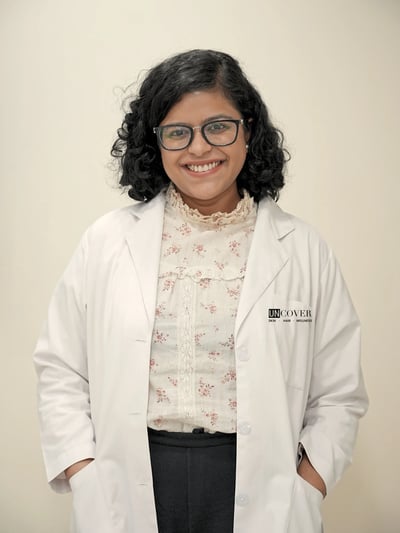
Dr. Shivani Biswal
MBBS, MD - Dermatology - 6+ Years Exp
06+ years experience
Specialises in clinical and aesthetic dermatology, focussing on core areas like acne, hair regrowth and advanced anti-aging solutions.
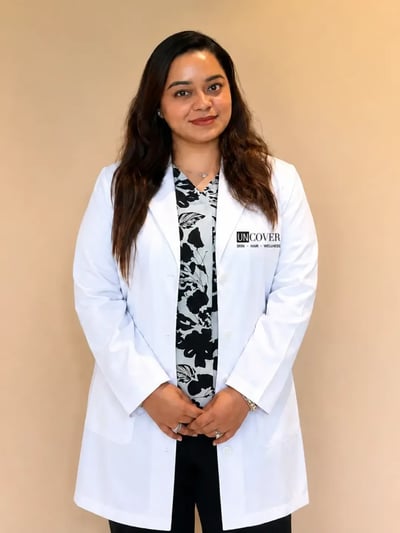
Aditi Digani
Consultant Dermatologist
06+ years experience
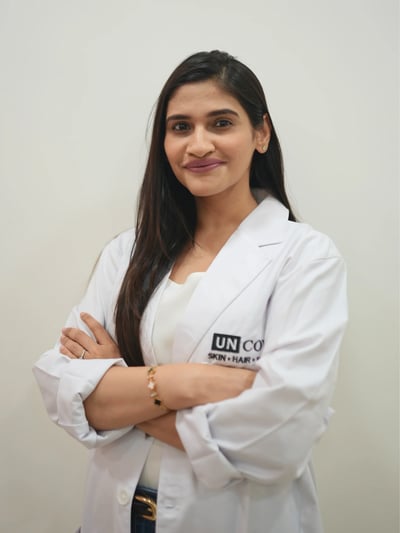
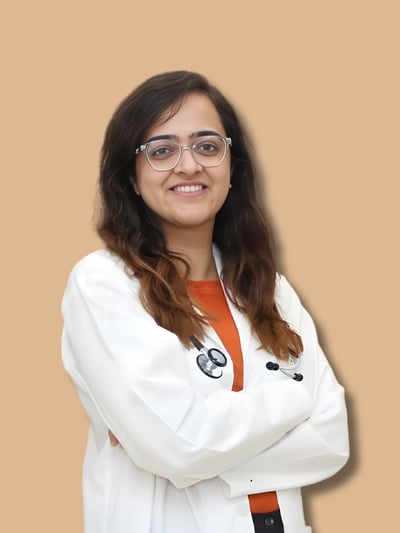
Dr. Chandrika Nayyar
MBBS, MD - Dermatology - 8+ Years Exp
08+ years experience
Helps patients feel confident in their own skin by blending medical expertise with the latest aesthetic innovations for natural, transformative results.
Dr. Kritika Bansal
MBBS, MD - Dermatology - 7+ Years Exp
07+ years experience
Dr. Kritika Bansal is dedicated to diagnosing with precision and treating with empathy for healthier skin and happier patients.
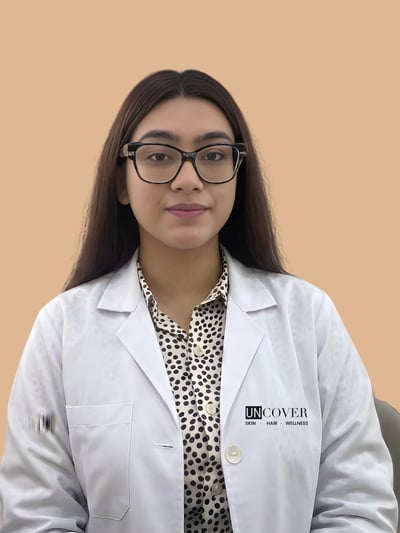
Dr. Bushra Shahid
MD, MBBS - Dermatology 5+ Years Exp
05+ years experience
MD Dermatologist delivering personalised, results-driven skin and hair treatments with advanced aesthetic expertise.
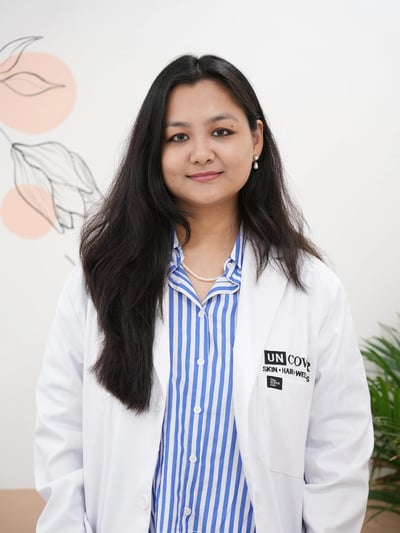
Dr. Rashi Pangti
MBBS, MD - Dermatology - 9+ Years Exp
09+ years experience
Ready to start your transformation?
A free dermatologist consultation, a transparent quote, and a personalised protocol — all in one visit.
Our Locations

Golf Course Road Gurgaon
Monday - Sunday 10 AM to 8 PM
3rd Floor, A-14/9, DLF Phase 1, Golf Course Rd, Gurgaon
View on Google Maps →
Greater Kailash 2
Monday - Sunday 10 AM to 8 PM
First Floor, Second Floor, M, block market, No M-2, nearby RBL Bank, Greater Kailash II, New Delhi, Delhi 110048
View on Google Maps →
Gurgaon Sector 65
Monday - Sunday 10 AM to 8 PM
Second Floor, AIPL Joy Central, Shop no. 60, Sector 65, Gurugram, Haryana 122101
View on Google Maps →
Gurgaon Sector 85
Monday - Sunday 10 AM to 8 PM
First Floor, Iris Broadway, Sector 85, Gurugram, Haryana 122004
View on Google Maps →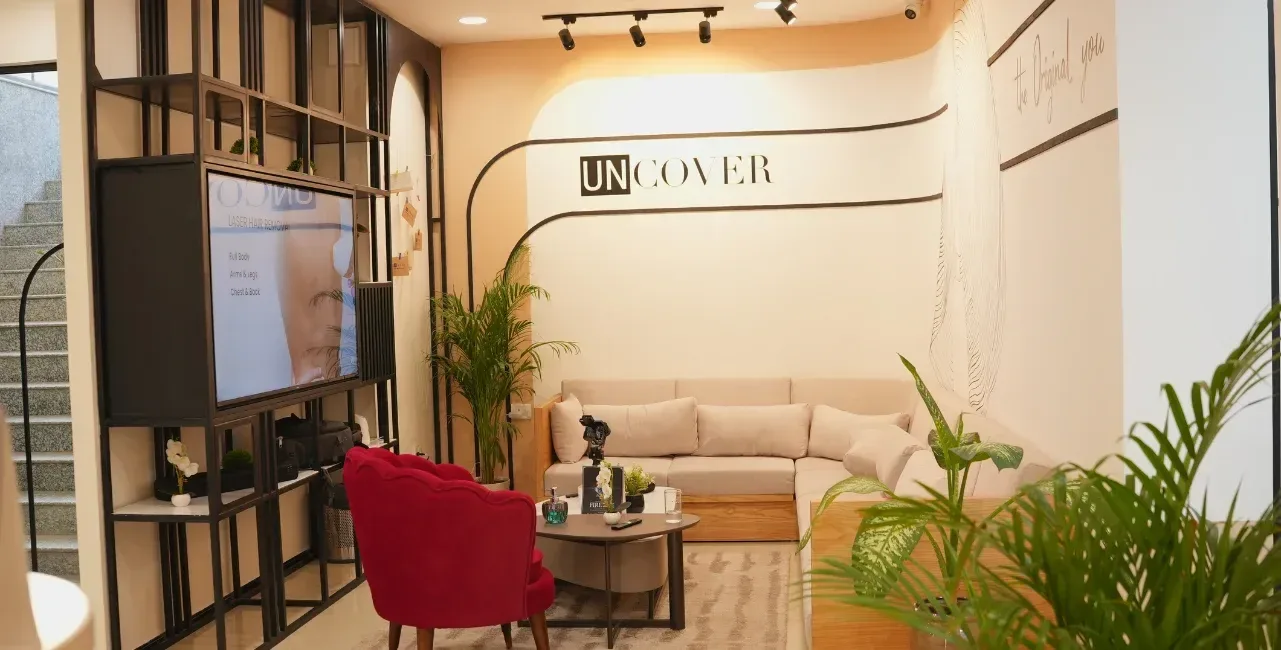
Noida Sector 104
Monday - Sunday 10 AM to 8 PM
DM-1, Lower Ground Floor, Sector 104, Noida, Uttar Pradesh 201304
View on Google Maps →
Punjabi Bagh
Monday - Sunday 10 AM to 8 PM
39, Second Floor, Club Road, West Punjabi Bagh, New Delhi
View on Google Maps →
Preet Vihar
Monday - Sunday 10 AM to 8 PM
Preet Vihar, No 88, 2nd Floor, New Rajdhani Enclave, near Preet Vihar Metro Station, Swasthya Vihar, New Delhi, Delhi 110092
View on Google Maps →
Lajpat Nagar
Monday - Sunday 10 AM to 8 PM
28, Firoz Ghandi Marg, Block A, Lajpat Nagar III, Lajpat Nagar, New Delhi, Delhi 110024
View on Google Maps →Don't just take our word for it
Real Patients, Real Stories!
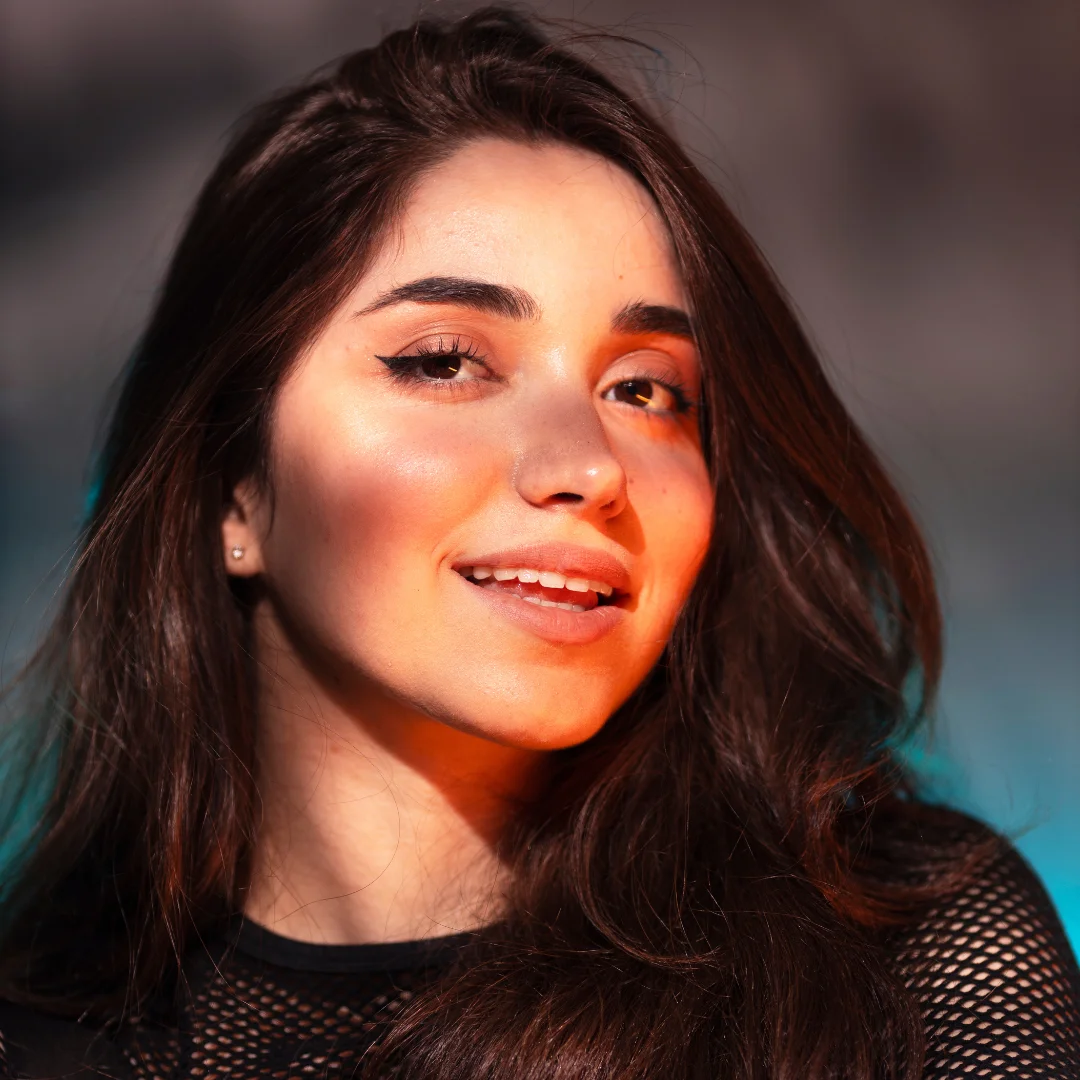
Harshita
Weight Loss
Thanks to UNCOVER Clinics, I was completely carefree before my wedding. I let the expert plan my wedding care especially for the weight loss and body contouring treatments. I loved how confident i felt on my wedding.
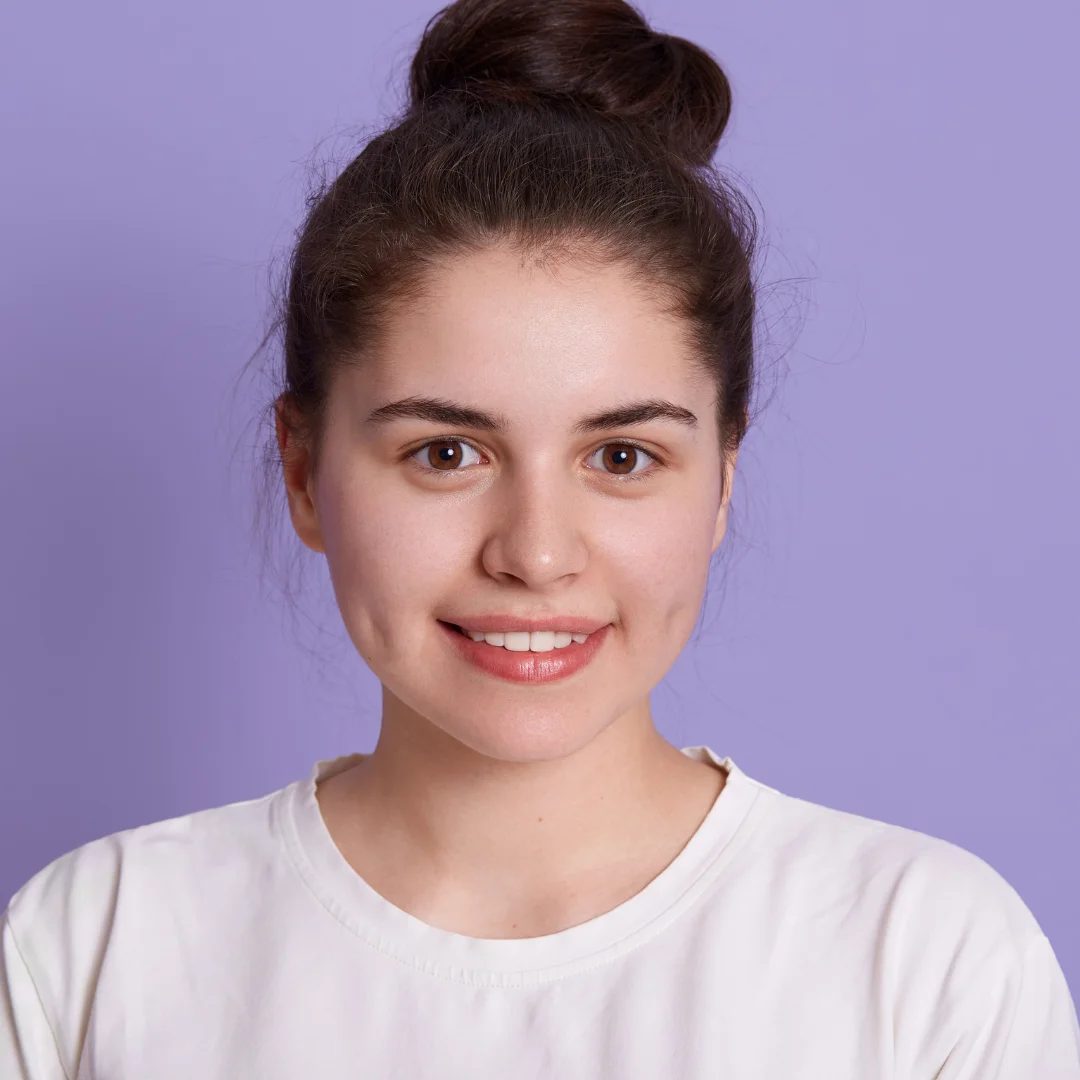
Smita
Hydrafacial
I was very skeptical to go for any salon facials before my wedding as my skin is very sensitive. UNCOVER clinics has the best staff that gave me medical facials which were so gentle on my skin and gave me the best results too.
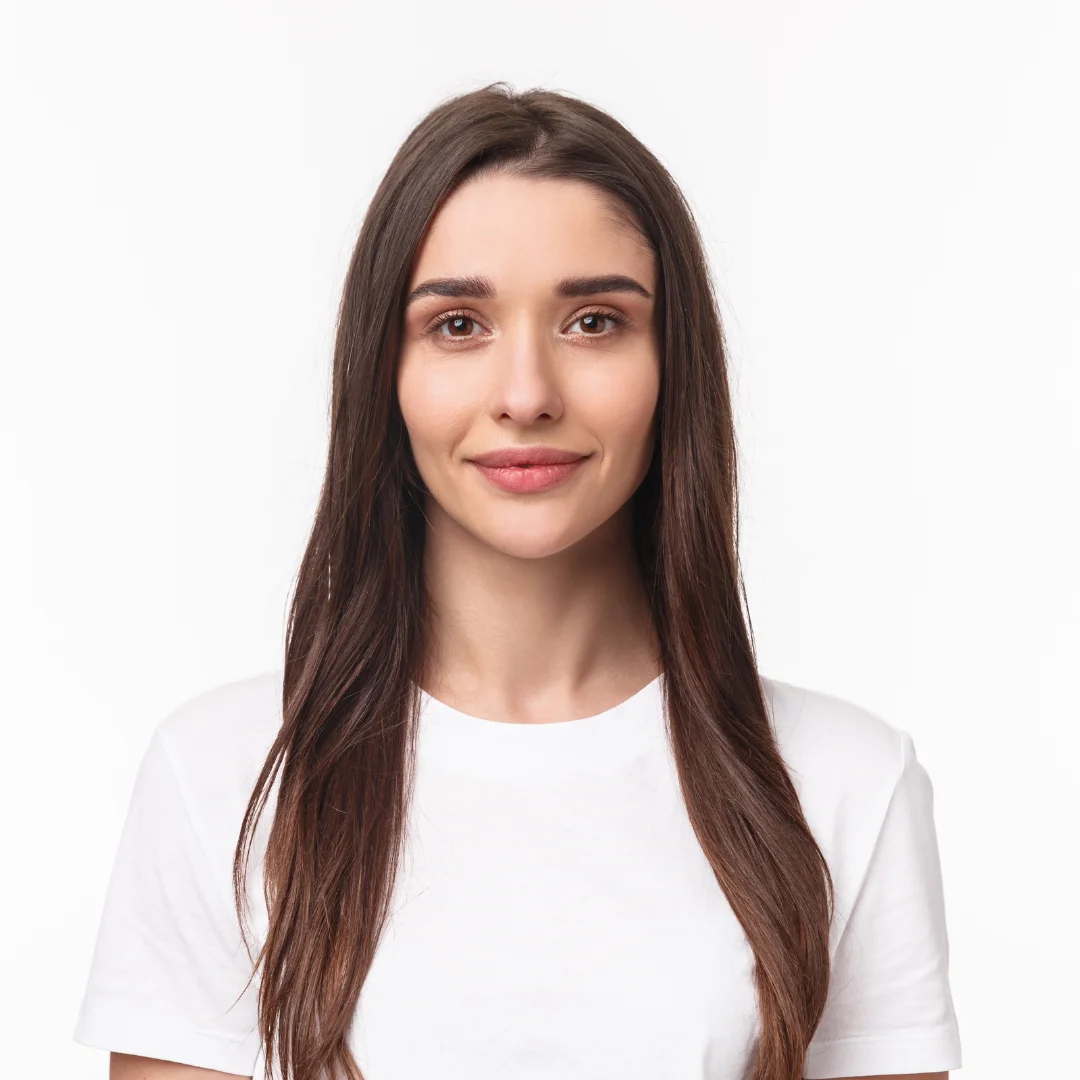
Shamita
Weight Loss
I wanted to reduce 5 KGs of my weight before my wedding. I tried everything but nothing was helping so I decided to go to UNCOVER Clinics for a weight loss program consultation. This nurtitional plan worked on my stubborn weight and have already lost 3 kgs. Looking forward to losing more and enjoying my wedding.
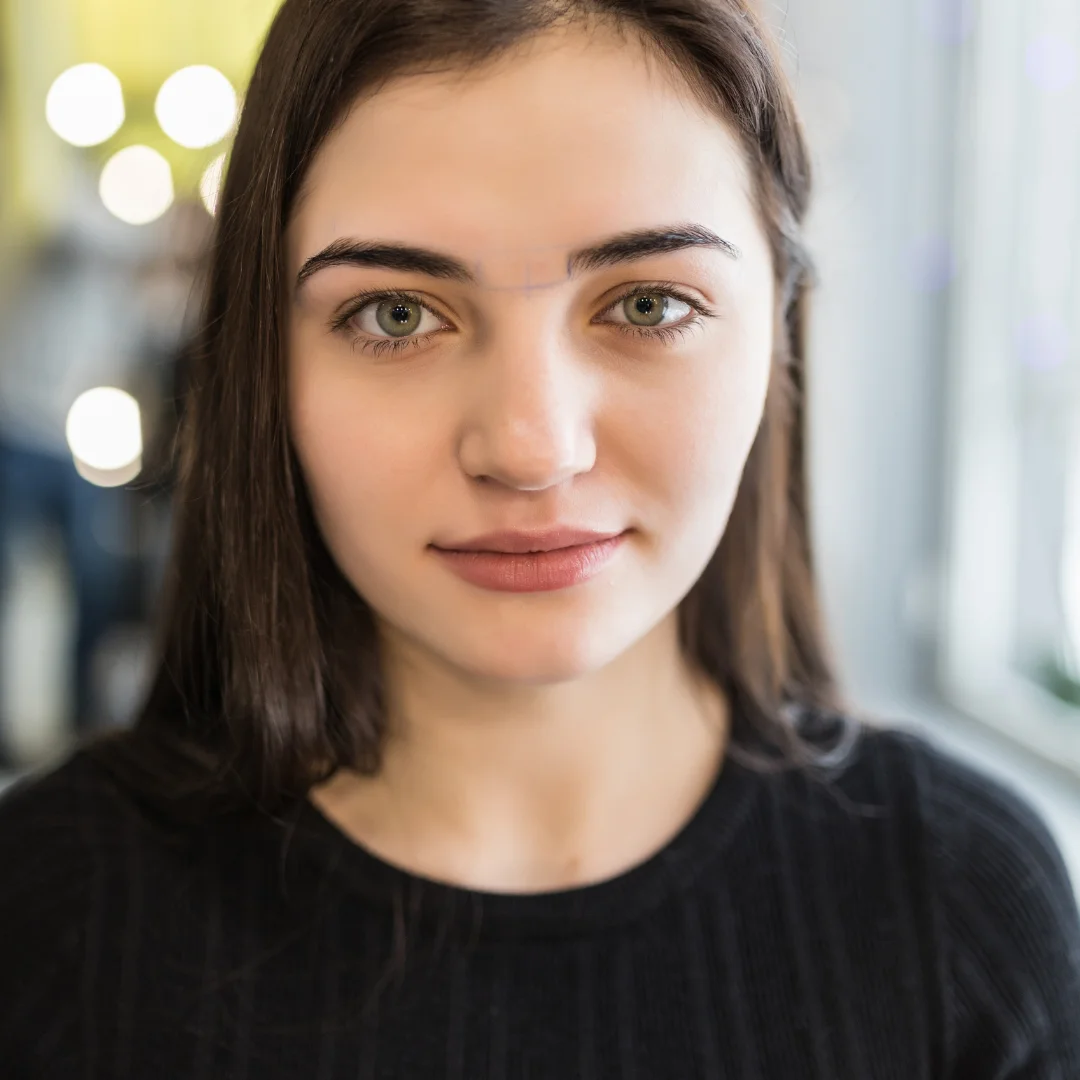
Krunika
Acne and Scars
I had a lot of acne and scars on my skin and my wedding was planned in the next 3 months. Dr. Gargi at uncover clinics gave me such a wonderful plan where I literally had flawless skin on my wedding day. The fat pimples had vanished and only a little bit of scars were left which were covered with makeup. Thanks so much uncover and Dr. Gargi.
Ruchita
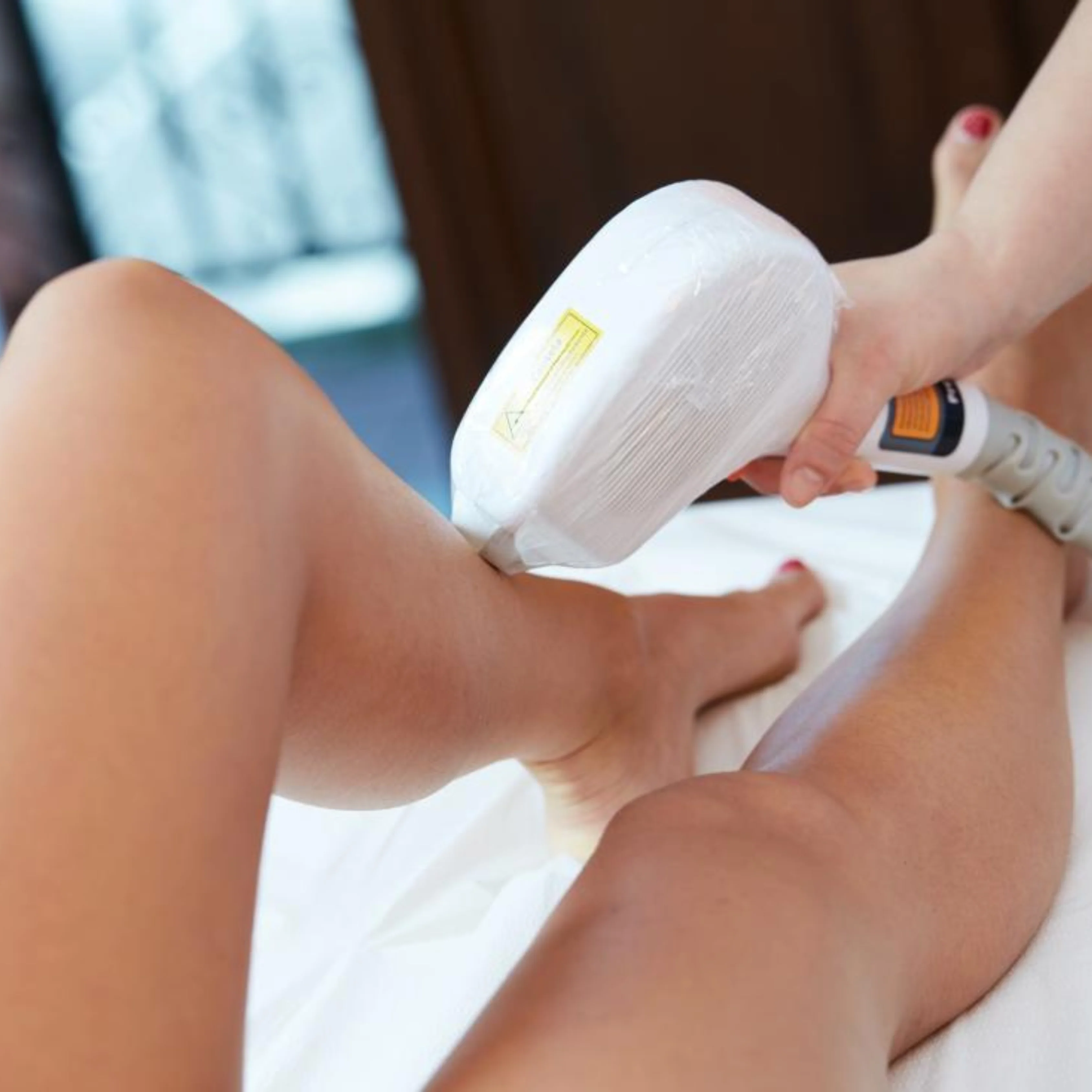
Laser Hair Removal
The best thing I did before my wedding was to get laser hair removal. It was hands down the best decision of my life. I was so confident in all my wedding functions and would love to thank uncover for including laser hair removal in my bridal package.
Romika
Hair Transplant
Female Bald Patterns run common in my family and when it struck me, it was too late. I had started seeing chunks of bald patches and that is when I came to UNCOVER Clinics. I am so glad I took this call, smooth procedure, amazing doctors and the postcare is also so good.
Hitesh
Hair Transplant
I was nervous about getting a hair transplant, but I met Dr. Naren at Uncover Clinics at Sec 85. The process was painless, and the results exceeded my expectations. My hairline looks perfect, and I’m thrilled with how natural it looks.
Samik
Hair Transplant
I had thinning hair for years and finally took the plunge with a hair transplant at Uncover Clinics. The difference is life-changing. My hair looks fuller, and it has given me back my youthful appearance. The recovery was quick, and the results speak for themselves. Thanks Dr. Gargi and UNCOVER Clinics.
Rajesh
Hair Transplant
I was struggling with hair loss for years and decided to go for a hair transplant at Uncover Clinic. The results are incredible! My hair looks completely natural, and I feel more confident than ever. The team was professional, and the procedure was smooth from start to finish.
Rimita
Weight Loss
I highly recommend UNCOVER for weight loss. I have lost 15 kgs in 6 months. No diet or workout was successful in my weight loss journey. Now I can enjoy my fav food without so much guilt.
Dhruv
Weight Loss Management
I heard about weight loss with the help of technology but was initially hesitant to explore it. Encouraged by a friend, I decided to give it a shot and I haven't looked back ever since. Trust me, UNCOVER has helped me with nutrition as well along with the treatment technologies. I highly recommend.
Reshma
Weight Management
Uncover Clinics' holistic approach to weight loss has been a game-changer for me. I used to think losing weight was all about eating less and working out more, but the experts here helped me with treatments that helped get rid of stubborn fat that no exercise or diet could help. I highly recommend.
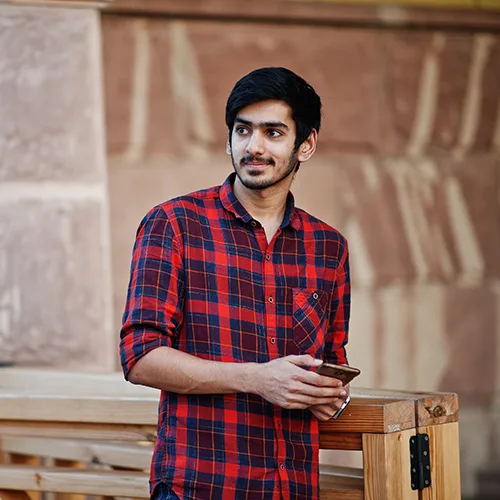
Vinay
Weight Loss
I can't thank Uncover Clinics enough for their holistic weight loss management program. After struggling with my weight for years and trying countless diets, I finally found a solution that works. The team at Uncover Clinics provided personalized guidance on nutrition, exercise, and weight management. I lost 10kgs in three months and have never felt better. This program is truly life-changing!"
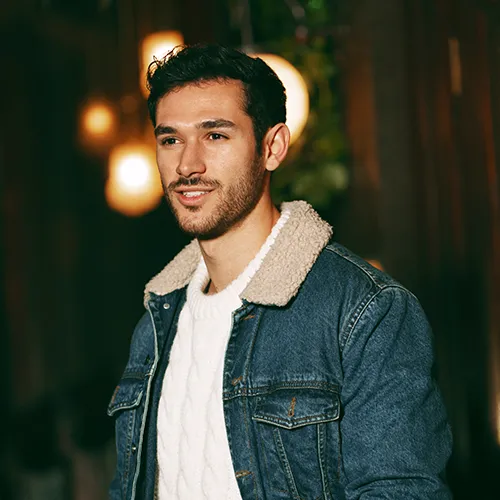
Amit Singh
GFC Plasma Hair Restoration
Uncover's GFC Plasma Hair Restoration Treatment is a game-changer. My hair feels voluminous, and the receding areas are no longer a concern. This treatment exceeded expectations, and I couldn't be happier with the outcome.
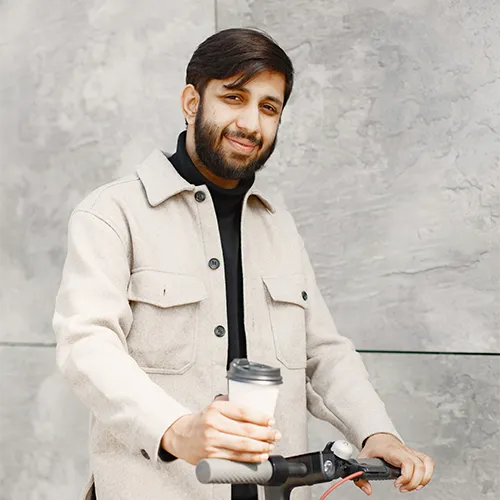
Rajesh Kumar
Advanced GFC
I was skeptical at first, but Uncover's Plasma Hair Restoration Treatment amazed me. My hairline looks more defined, and the thinning areas are filling up nicely. I'm so glad I decided to try this treatment!
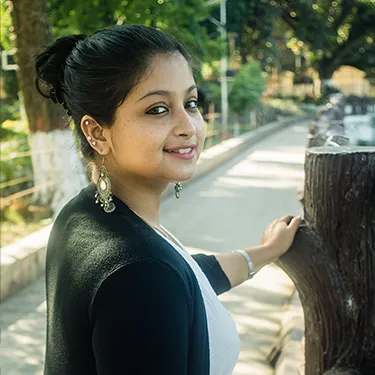
Priya Pathak
Advanced GFC
Uncover's Plasma Hair Restoration Treatment with GFC truly worked wonders for me. My hair feels thicker and healthier, and the results are beyond my expectations. Thank you for giving me my confidence back!
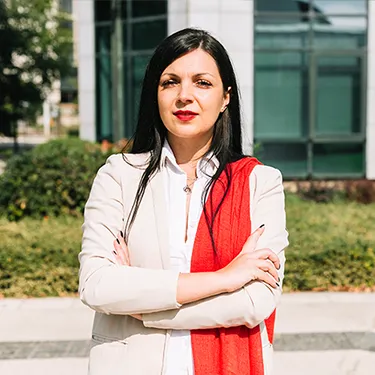
Isha Mehra
HIFU
The Full Face HIFU treatment at UNCOVER worked wonders for me. My skin looks more youthful and vibrant, and the sagging around my jawline has improved significantly.
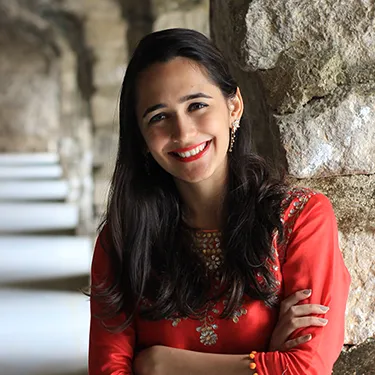
Smriti
Wrinkle Relaxers
I'm thrilled with the natural and youthful results of the Wrinkle Relaxer Service at UNCOVER. They've given me a newfound confidence
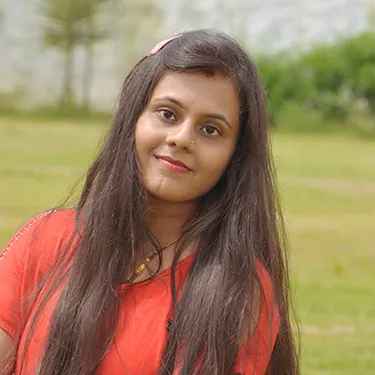
Fathima
Carbon Facial
I was amazed at how smooth and rejuvenated my skin felt after the carbon facial.
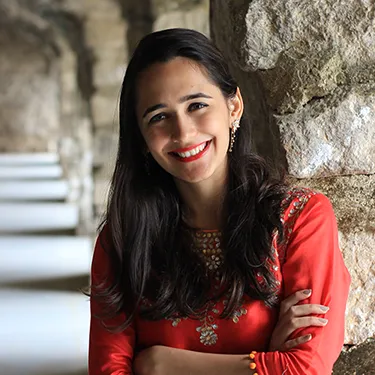
Shikha Chahar
Uncover Signature Facial
Ummed was great! He explained everything that he did step by step, it was my first time getting a facial in India and he is so well educated in his field and was so kind all throughout the treatment. I got the Uncover signature facial and I will definitely recommend my friends and family to come and see him here! Thank you Ummed 😊
Sunita Thakur
Hydrafacial
My skin tone used to be quite dry, dull, and uneven. I tried a lot of skin care products, including homemade cures, but I didn't receive any good results. My friend adviced me to go see the doctor once. Well, I did and I had the hydrafacial. My skin has never felt more fresh, radiant, and healthy. Give it a go yourself now.
Mr. Singh
Laser Hair Removal
I took laser hair removal treatment for my wife...and it's absolutely great ...the results are very much appreciated. Staff is professional and co-operative. They will clear all your doubts before the treatment.
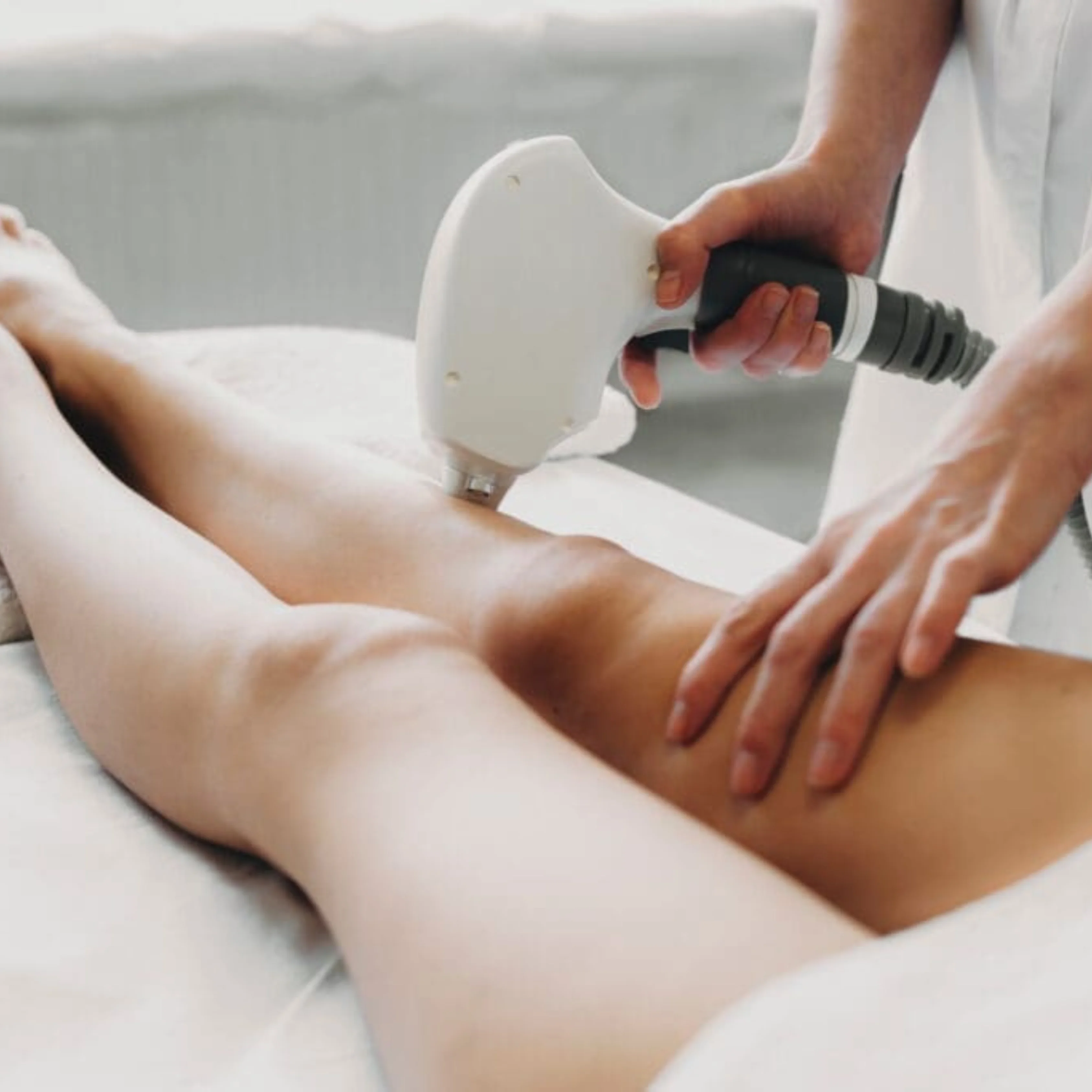
Pardeep
Laser Hair Removal
I took LHR for face and the procedure was so comfortable and completely painless and i can see good results in just 3 sessions. I don’t have the headache of going to a salon regularly for shaping my beard. This treatment was so good and gave so good results.
Helen
Laser Hair Removal
I took online consultation for laser hair removal treatment. The doctor was very sweet and she cleared all my doubts and gave me very good knowledge about the treatment. I opted for at home service and the therapist followed all hygiene protocols. I felt very comfortable during the entire treatment and specially the music that they played was soo relaxing.
Promod Singh
Laser Hair Removal
Currently ongoing LHR full body I have taken 4 sessions already seeing the results also the time has increased for the hair to grow again. The clinic the aura and the ambience is very hygienic.They claimed the quality they proved it. Satisfied.
Tarushi Ahuja
Laser Hair Removal
The visit to Uncover has been really smooth. From the fantastic consultation by Dr. Gargi to the first laser session by Ridhi, very well trained and experienced technician, the results are awesome ! Today was my fourth, thanks to Ridhi and Sarita, loving the results ! :)

Nancy
Acne & Scars
I recently visited Uncover, and my experience was outstanding. I would like to share my positive experience with others who may be seeking dermatological care. One aspect that really impressed me that I received timely reminders for my appointments.

Surbhi
Hydrafacial
It was a wonderful experience. I felt relaxed, calm and rejuvenated. My skin feels super soft and tighter. Thank you for a wonderful experience Uncover. I would definitely like to use the services again.
Himanshi
Laser Hair Removal
Today was my first laser session And it was great. No pain, well assisted staff, trained well, sweet behaviour. And comfort level was a plus point. Richa was sweet and did her work quite well. And the person accompanied did the set up in no time Very nice experience! Cant wait for the next session❤️
Pushkar Yadav
GFC Plasma Hair Restoration
I took my Hair Growth Treatment at UNCOVER Clinics. One of the best things about the clinic is how fully and honestly they explain the illness, causes, etc. that we are having. I was fairly certain of the therapies I required at the time after speaking with their experts. I noticed good changes within three months.

Kanchan Gupta
GFC Plasma Hair Restoration
I was having a problem of hair fall and the volume of my hair reduced so much. The doctor suggested my GFC treatment for hair and I see a great difference in my hair volume in just 3 sittings. Amazing results.
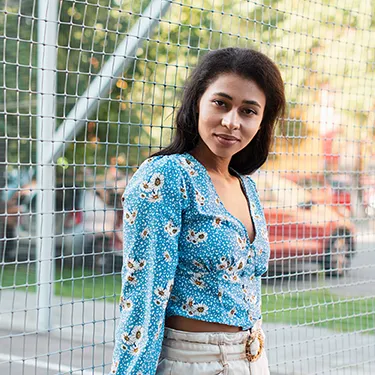
Sanyukta
Weight Loss Management
I tried everything, but my weight was dropping a bit. When I met Dr. Gargi, she explained my medical history and the reason why my weight gain was happening. After the consultation, we started with HIFU & Cryolipolysis and my life has changed ever since.
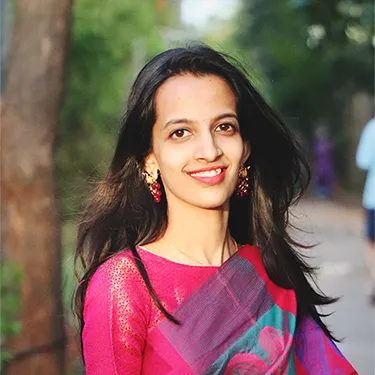
Vishakha Singh
Hydrafacial
I took HydraFacial treatment at UnCover clinics and I had a very good experience. The therapist was skilled and friendly. Even the dermatologist who took my consultation explained everything about the procedure and clarified my doubts.
Start your journey Now!
Book Your FREE Consultation
Talk of the Town
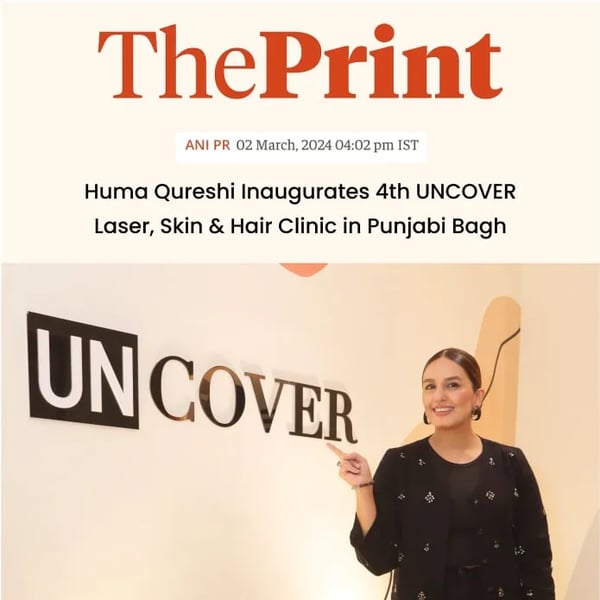
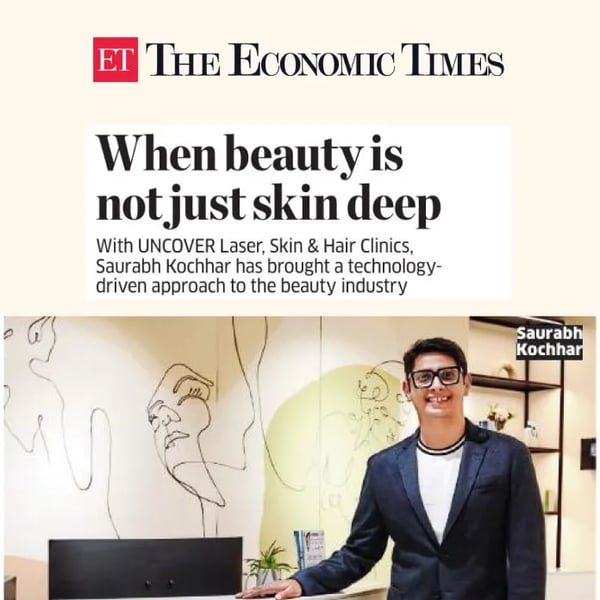
UNCOVER, proudly featured in many Media publications
Dermatologist insights, straight from our doctors

How to Get Korean Glass Skin? DIY Face Masks vs Professional Dermatology Treatments
Korean glass skin has a luminous, poreless, mirror-like complexion that requires consistent skincare combining hydration, exfoliation, and barrier repair.
.webp?v=1777552186062)
Sunscreen Myths vs Facts: What Really Protects Your Skin?
You've probably heard a ton of stuff about sunscreen. Most of it's wrong. People tell you sunscreen is only for the beach. That higher SPF is 10 times better. That you need to reapply every hour or it won't work. None of that's actually true.

How Huma Qureshi & Aditi Rao Hydari Achieve Cannes-Ready Beauty in Traditional Sarees
Bollywood's finest actresses, Huma Qureshi and Aditi Rao Hydari, captivated audiences at the Cannes Film Festival 2026 by perfectly blending timeless beauty with traditional saree elegance. Their radiant skin, flawless complexions, and camera-ready glow weren't achieved through styling alone; they required strategic professional skincare preparation combined with expert makeup application and styling coordination. Both actresses exemplify how professional dermatological guidance creates the luminous, camera-ready beauty that translates flawlessly to red carpet events, whether adorned in contemporary gowns or traditional sarees.

How Does Preity Zinta Maintain Radiant Skin at 51? From IPL to Bollywood, Celebrity Skincare Secrets Revealed
Preity Zinta, the beloved Bollywood actress and co-owner of the Punjab Kings IPL team, maintains her glowing complexion at 51 through a minimalist skincare approach focused on consistency, sun protection, and professional dermatological treatments.

Can You Lose 10 kg in 1 Month? Safe Indian Diet Plan
Can you safely lose 10 kg in one month? Explore a realistic Indian meal framework, vegetarian and non-vegetarian options, and medically reviewed weight-loss guidance.

HydraFacial for Brides | Why It Is a Pre Wedding Essential | Uncover Clinics
Dermatologist recommendation: why HydraFacial is the ideal pre-wedding treatment. No downtime, instant glow and complements all skin tones. Book an Appointment now with Uncover Clinics.